Troubleshooting Brushless Motor Performance Problems
Analyzing Motor Calibration
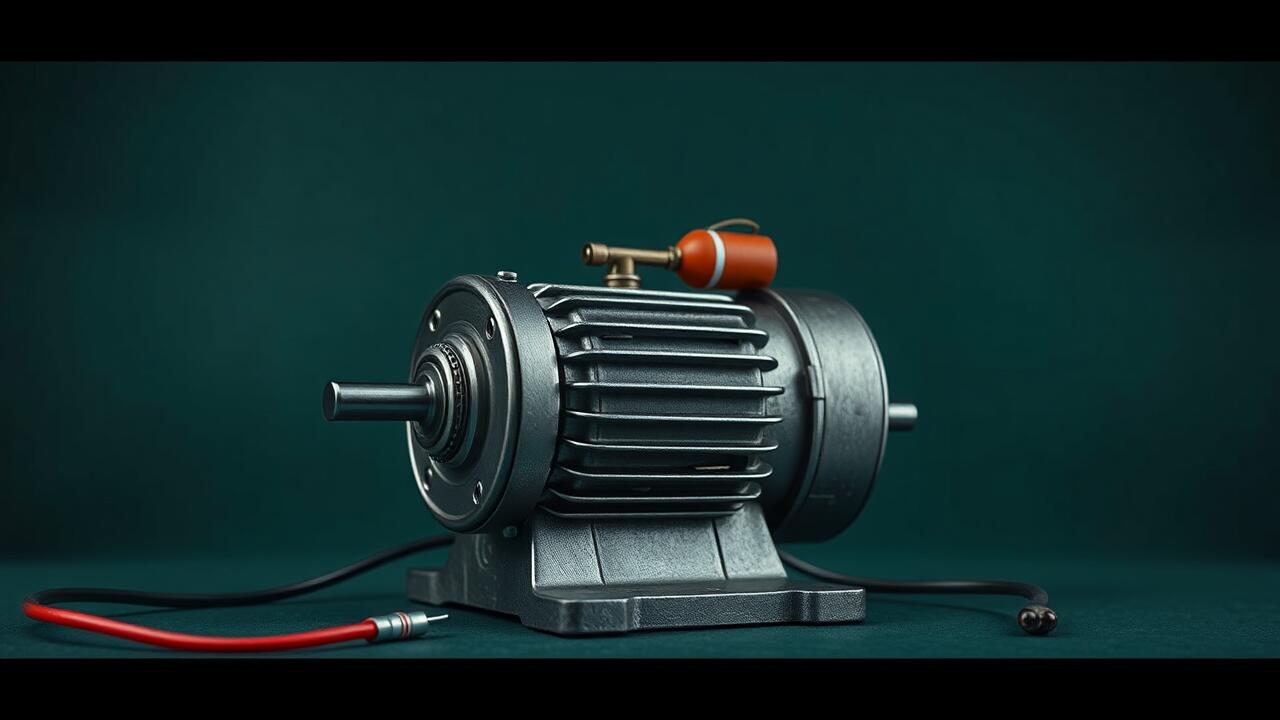
A thorough analysis of motor calibration is essential for ensuring optimal operation of brushless motors. It involves evaluating both the hardware and software parameters to align the motor’s performance with its intended specifications. Parameters such as timing, phase alignment, and current limits must be accurately set. Incorrect calibration can lead to inefficiencies, excessive heat generation, and even premature motor failure. Regularly reviewing these settings helps maintain performance levels and prolongs the lifespan of the motor.
In addition to the initial calibration, periodic recalibration may be necessary to adapt to changing conditions or after maintenance work. Factors such as wear and tear, component replacements, and environmental changes can impact calibration settings. Implementing a systematic approach to recalibrate the motor ensures that adjustments are made timely, maintaining efficiency and reliability. Data logging during operation can assist in identifying drift in performance metrics, allowing engineers to pinpoint and rectify calibration issues swiftly.
Performing Sensor Calibration
Accurate sensor calibration is crucial for optimizing brushless motor performance. This process involves aligning the sensor outputs with expected values, ensuring that feedback mechanisms respond correctly to motor commands. Inadequate calibration can lead to inefficient operation, resulting in unexpected behavior during performance. Engaging in routine calibration checks helps identify discrepancies early, mitigating potential issues before they escalate.
The calibration process typically includes verifying sensor alignment, adjusting offsets, and validating data accuracy across various operating conditions. Utilizing precision tools ensures that sensor readings reflect true motor parameters. It is advisable to reference manufacturer specifications and employ systematic testing methods for consistency. Regular documentation and analysis of calibration results contribute to maintaining long-term motor reliability and efficiency.
Environmental Impacts on Motor Performance
External factors significantly influence the performance of brushless motors. Temperature fluctuations can cause changes in the motor's efficiency and lifespan. High temperatures may lead to overheating, which affects the winding insulation and can result in premature failure. Conversely, extremely low temperatures can hinder the motor's ability to start and may affect its torque characteristics. Additionally, humidity can promote condensation within the motor housing, risking electrical short circuits and corrosion of internal components.
The operational environment also plays a critical role in the motor's performance. Dust and debris accumulation can obstruct ventilation and cooling pathways, leading to increased operational temperatures and reduced efficiency. In applications exposed to harsh conditions, such as exposure to chemicals or extreme vibrations, the motor's durability and reliability may be compromised. Ensuring that the motor is appropriately housed and maintained according to environmental specifications is essential for optimizing its performance and lifespan.
Assessing Temperature and Humidity Effects
Temperature and humidity levels can significantly affect the performance of brushless motors. High temperatures may lead to overheating, resulting in insulation breakdown and potential failure of internal components. Motors operating in excessively humid environments are also at risk, as moisture can promote corrosion and lead to electrical shorts. It is crucial to monitor these environmental conditions regularly to ensure that the operational parameters remain within safe limits.
Effective mitigation strategies include implementing thermal management solutions such as heat sinks and fans to dissipate excess heat. Additionally, encasing the motor in protective housing can safeguard it from moisture ingress. Keeping the working environment controlled through climate management systems can also help maintain optimal performance. Regularly assessing these factors is vital for sustaining motor reliability and prolonging operational lifespan.
Maintenance Practices for Brushless Motors
Regular maintenance is essential to ensure the optimum performance and longevity of brushless motors. Adopting a systematic inspection routine can help identify wear and tear before they lead to significant issues. When conducting inspections, pay close attention to physical components such as bearings and windings. Implementing a schedule for cleaning the motor and checking for debris or damage can also enhance operational efficiency. Such proactive measures can prevent downtime and reduce the risk of costly repairs in the future.
IF you do need service, look for high quality electric motor repair shops for help. Electric motor repair is best left to the professionals.
In addition to inspections, it is important to monitor the motor's operating parameters closely. Checking for unusual vibrations, excessive noise, and irregular temperature readings can provide insights into potential problems. Maintaining proper lubrication in moving parts is another critical aspect of motor upkeep. Utilizing high-quality lubricants can prevent friction-related failures. Continuing education on best maintenance practices will empower technicians to address issues swiftly and effectively, ensuring the motor remains in peak condition.
Implementing Regular Inspection Routines
Regular inspections are essential for maintaining optimal brushless motor performance. A systematic approach to brushless motor testing allows technicians to identify signs of wear and tear, assess electrical connections, and evaluate the integrity of bearings and other critical components. Implementing a schedule for these assessments ensures that potential issues can be addressed before they escalate into significant failures.
During inspections, it is important to verify that all electrical connections are secure and free from corrosion. Checking for proper alignment and securing fasteners can prevent unnecessary vibrations that might lead to further complications. Additionally, technicians should monitor component temperatures and listen for unusual sounds, as these can indicate underlying issues that require immediate attention. Following a structured inspection protocol will lead to enhanced reliability and longevity of the motor, ultimately improving overall performance.
Upgrading Components for Better Performance
Upgrading components in brushless motor systems can significantly enhance their performance and efficiency. One crucial aspect to consider is the motor controller, which directly influences how power is delivered to the motor. Selecting a controller that matches the motor’s specifications ensures optimal compatibility and operational capability. Advanced controllers with features such as field-oriented control (FOC) offer improved torque and smoother operation, contributing to better overall performance.
Selecting appropriate sensors also plays a vital role in upgrading motor components. High-quality encoders and other feedback devices provide more accurate data regarding the motor's position and speed. This precision allows for more responsive adjustments in the system, reducing lag and improving energy efficiency. In addition to sensors, ensuring wiring and connectors are of high quality can minimize energy losses and increase the reliability of the entire system. Investing in these upgrades can lead to noticeable improvements in motor operation and longevity.
Choosing the Right Motor Controller
Selecting an appropriate motor controller is crucial for ensuring optimum performance of brushless motors. Consider the specifications of the motor, including voltage and current ratings, as well as the required control features. Compatibility with the motor's design will significantly influence efficiency, responsiveness, and overall functionality. Taking the time to analyze these parameters ensures a reliable connection between the controller and motor, leading to enhanced operational stability.
Understanding the control strategies supported by different motor controllers is equally important. Options such as Field-Oriented Control (FOC) and trapezoidal control each offer distinct advantages tailored for specific applications. Careful evaluation of the application requirements, including speed range, torque demands, and precision needs, will help in identifying the most suitable control strategy. Prioritizing these factors will facilitate smoother integration and better performance of the brushless motor system.