The Art and Science Behind Pipe Fabrication Techniques
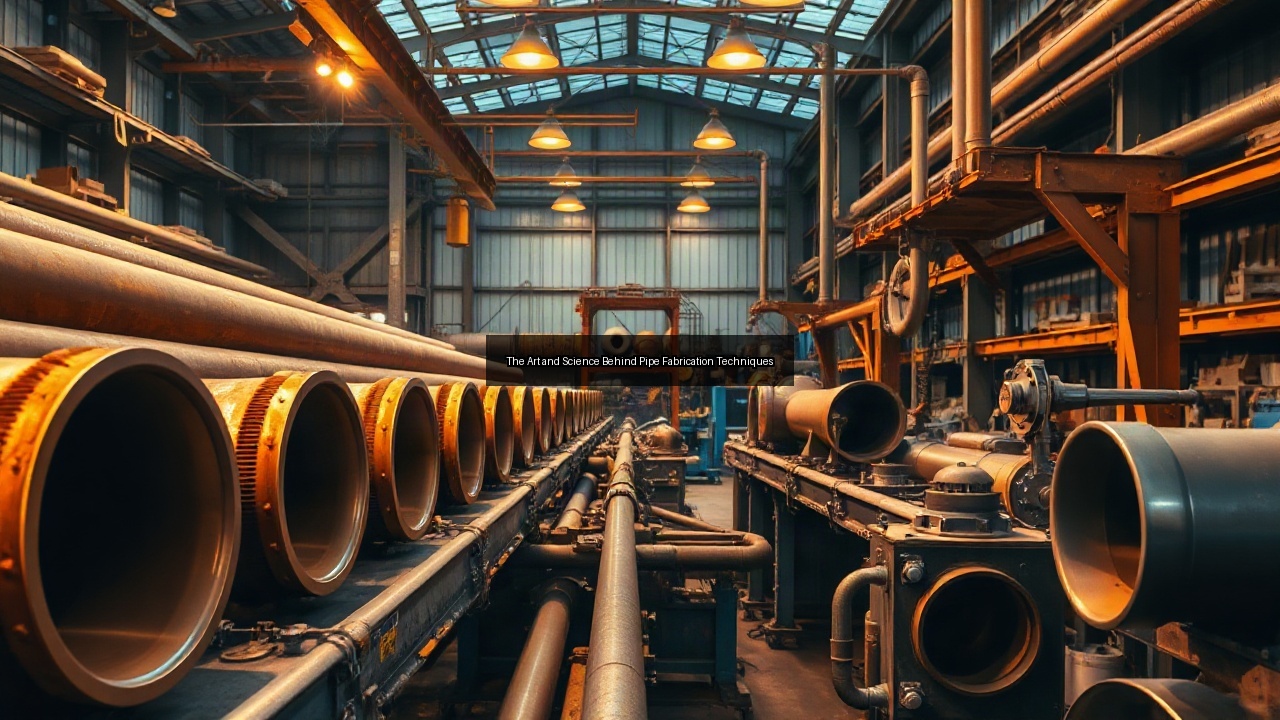
Understanding Pipe Fabrication Techniques
Overview of Pipe Fabrication
Pipe fabrication involves the process of creating piping systems tailored to specific engineering and construction needs. This art combines skilled craftsmanship with scientific principles to ensure that the fabricated products meet stringent industry standards. Various factors influence fabrication, including the intended use, environmental conditions, and regulatory requirements. The process encompasses design, cutting, welding, bending, and assembly, resulting in a finished product ready for installation. Manufacturers often rely on advanced technologies and methodologies to create pipes that can withstand high pressure and corrosive materials, making pipe fabrication an integral part of industries such as oil and gas, water treatment, and construction.
Types of Pipes and Tubes Used in Fabrication
Different applications require specific types of pipes and tubes, each designed to handle various pressures and temperatures. Common types include seamless and welded pipes, with seamless pipes offering superior strength since they lack a seam. Steel pipes, often the preferred choice in heavy-duty applications, come in various grades and sizes, catering to different structural needs. Other materials like PVC, copper, and aluminum also play a role in specific contexts. Tubes, which can be round, square, or rectangular, are commonly used in construction and automotive applications. Each type serves a distinct purpose, emphasizing the necessity for selecting the right material and form in the fabrication process.
Materials Commonly Used in Pipe Fabrication
The choice of materials in pipe fabrication significantly influences the durability, performance, and cost of the finished product. Steel pipes dominate due to their strength and versatility; they are often used in high-pressure systems. Stainless steel pipes resist corrosion, making them ideal for food processing and chemical applications. Other materials such as carbon steel, alloy steel, and even plastics like PVC and HDPE are also prevalent, depending on the specific requirements. The fabrication process often includes considerations for material thickness and diameter, which can affect the overall price. Understanding the properties of each material allows fabricators to create solutions that are not only functional but also cost-effective.
Key Processes in Pipe Fabrication
Cutting Techniques for Steel Pipes
Cutting steel pipes involves precision to ensure clean edges and accurate dimensions. Several techniques exist, each suited for specific applications. Common methods include saw cutting, where a band saw or circular saw slices through the material, and plasma cutting, which uses a high-velocity jet of ionized gas to melt through metal. Other options, such as oxy-fuel cutting, provide a cost-effective solution for thicker pipes. Each technique has its advantages, with factors like thickness, the type of steel, and the final use influencing the choice. Proper cutting techniques enhance the overall quality of the fabrication and minimize material waste, which is essential for maintaining cost-effectiveness in pipe fabrication services.
Welding Methods in Pipe Fabrication
Welding forms the backbone of pipe fabrication, ensuring that joints are secure and can withstand operational stresses. Common welding methods include MIG (Metal Inert Gas) welding, TIG (Tungsten Inert Gas) welding, and stick welding, each offering unique benefits. MIG welding is popular for its speed and versatility, while TIG welding provides precise control, making it ideal for thinner materials and stainless steel pipes. The choice of welding method depends on the material type, thickness, and the environment in which the pipe will operate. Proper weld quality is critical; it must withstand pressure and temperature variations, ensuring the integrity of the entire piping system. A skilled welding team significantly impacts the durability and reliability of fabricated components.
Bending and Forming Processes
Bending and forming are essential processes in pipe fabrication, allowing for the creation of complex shapes and layouts necessary for various applications. Techniques such as rotary draw bending and mandrel bending are frequently employed to achieve smooth curves without compromising the pipe's integrity. The bending process must consider factors such as radius, angle, and wall thickness to prevent kinking or cracking. Additionally, the use of forming tools and dies can help create specific shapes that meet project specifications. This stage of fabrication not only enhances the aesthetics of the piping system but also ensures that it fits seamlessly into the intended design, further emphasizing the importance of precision in fabrication techniques.
The Role of Pipe Fabrication Companies
Selecting the Right Pipe Fabrication Company
Choosing the right pipe fabrication company is crucial for the success of any project. Factors to consider include the company's experience, reputation, and the range of services offered. A reputable company will have a proven track record, demonstrating its ability to handle projects of varying complexity. Reviews and testimonials from previous clients can provide insight into the quality of work and customer service. Additionally, certifications and compliance with industry standards ensure that the company adheres to best practices. Evaluating a company's capabilities in terms of technology and equipment is also vital, as state-of-the-art machinery can enhance precision and efficiency in the fabrication process.
Services Offered by Pipe Fabrication Shops
Pipe fabrication shops offer a range of services designed to meet diverse client needs. Beyond basic fabrication, many companies provide design and engineering support, helping clients develop specifications and optimize designs for manufacturability. Additional services may include pipe bending, welding, and assembly, ensuring a comprehensive approach to project completion. Fabrication shops may also offer installation services, allowing for seamless integration of the piping system into existing infrastructure. Many companies are equipped to handle custom orders, providing tailored solutions that align with specific project requirements. This breadth of services enhances the value clients receive and makes it easier to manage complex projects.
Cost Considerations in Pipe Fabrication
Cost remains a significant factor in pipe fabrication, influenced by various elements such as material selection, labor, and equipment used. The complexity of the design and the required fabrication techniques can also impact the price. Steel pipes typically offer a balance between cost and performance, but fluctuations in material prices can affect overall project budgets. Clients should seek detailed quotes from fabrication companies, ensuring they understand all associated costs, including potential changes during the fabrication process. Effective project management can help mitigate unexpected expenses, allowing for a smoother fabrication experience. Being informed about cost factors empowers clients to make decisions that align with their financial constraints while achieving quality outcomes.
Future Trends in Pipe Fabrication
Advancements in Fabrication Technology
The landscape of pipe fabrication is evolving, with advancements in technology leading the way. Innovations such as 3D printing and laser cutting are revolutionizing fabrication processes, enabling more complex designs with greater accuracy. These technologies reduce waste and optimize material usage, lowering costs while improving efficiency. Additionally, software solutions for design and simulation enhance the planning stages, allowing for real-time adjustments before fabrication begins. Such advancements not only increase productivity but also allow fabricators to respond quickly to changing client demands and specifications, making adaptability a key trend in the industry.
Sustainable Practices in Pipe Fabrication
As environmental concerns become more pressing, the pipe fabrication industry is increasingly adopting sustainable practices. Companies are exploring eco-friendly materials and processes that reduce carbon footprints. Options like recycled steel and biodegradable plastics make significant contributions to sustainability efforts. Additionally, energy-efficient machinery and waste reduction techniques help minimize the environmental impact of fabrication operations. Embracing sustainable practices not only meets regulatory requirements but also appeals to a growing market that values environmental responsibility. Companies that prioritize sustainability position themselves favorably in an increasingly eco-conscious industry.
The Impact of Automation on Fabrication Processes
Automation is reshaping pipe fabrication, enhancing efficiency and precision while reducing labor costs. Robotic systems for welding and cutting streamline operations, enabling faster turnaround times and consistent quality. Automated inventory management and scheduling systems help optimize workflow, minimizing downtime and maximizing productivity. The integration of Internet of Things (IoT) technologies allows for real-time monitoring and data collection, enabling fabricators to make informed decisions based on operational performance. Embracing automation not only improves profitability but also allows companies to focus on innovation and customer service, ensuring they remain competitive in a rapidly changing market.
See Also
- Choosing the Right Pipe Fabrication Company for Your Next Project
- The Challenges of Pipe Fabrication in Extreme Environments
- Exploring the Future of Metal Pipe Fabrication in Sustainable Projects
- Top Considerations When Choosing a Pipe Fabrication Company
- The Environmental Impact of Pipe Fabrication Practices