Common Issues in DC Motor Repair
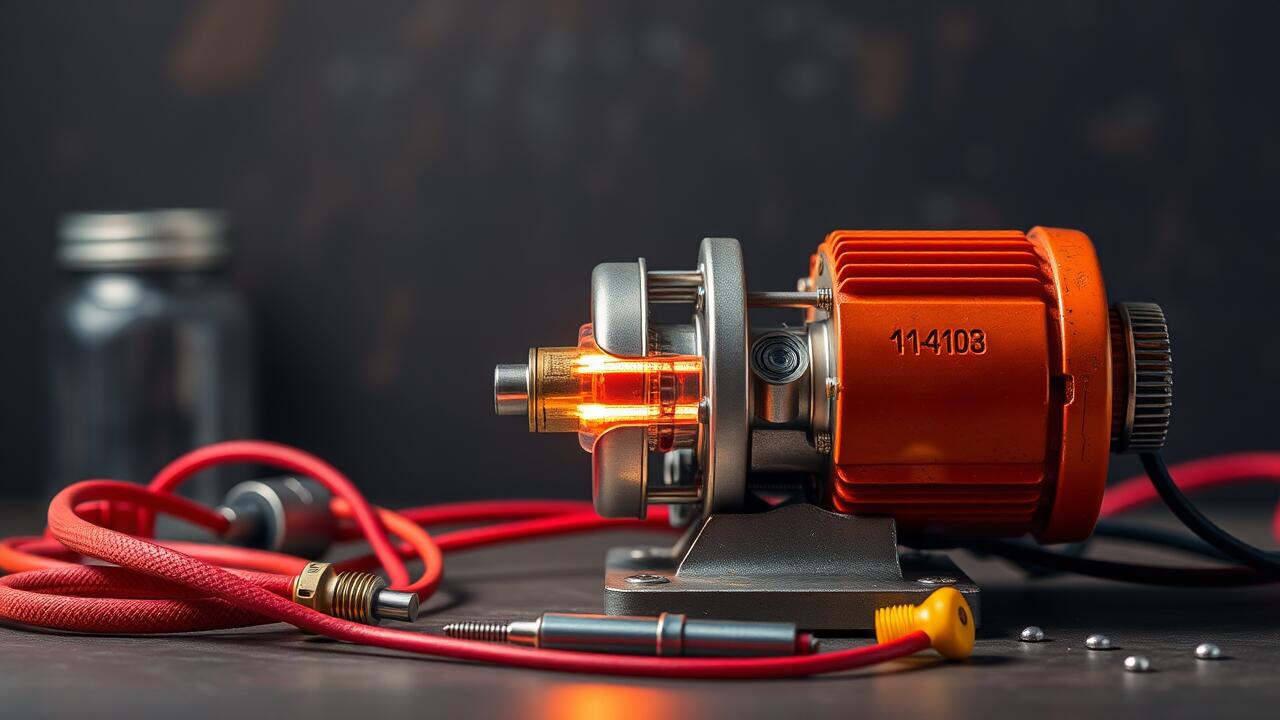
Mechanical Failures
Mechanical failures in DC motors can manifest in several ways, predominantly through issues such as misalignment, bearing wear, and shaft damage. Misalignment of the rotor and stator can lead to excessive wear on components, resulting in decreased efficiency and potential failure. Bearing wear is often caused by inadequate lubrication or contamination, which may cause increased friction and heat generation, ultimately leading to complete bearing failure. Regular inspection and maintenance of these components are critical to ensure the longevity of the motor.
Identifying mechanical failures requires a systematic approach to troubleshooting. Utilizing alignment tools can help verify proper rotor positioning. Inspection of bearings for signs of wear or damage can inform necessary replacements. DC electric motor repair can be complicated. Additionally, noise and vibration analysis can reveal underlying mechanical deficiencies that necessitate further examination. Implementing a structured maintenance schedule can greatly reduce the occurrence of these failures, ensuring operational reliability and maximizing the motor's lifespan.
Troubleshooting Shaft Alignment and Bearing Issues
Proper alignment of the motor shaft is critical for optimal performance. Misalignment can lead to uneven wear on custom plastic bearings and increased vibrations. To assess alignment, employ tools such as dial indicators or laser alignment systems. A thorough inspection should include checking the mountings to ensure secure attachment. Making preliminary adjustments at the base and securing all fasteners afterward can often resolve basic alignment issues.
Bearing failure often manifests as abnormal noise, vibration, or overheating. Regular inspection of bearings for signs of wear, such as discoloration or pitting, is essential. Lubrication also plays a pivotal role in bearing longevity. Ensure that the correct type and amount of lubricant are applied. If custom plastic bearing issues persist, replacing worn bearings is advisable to restore motor efficiency. Proper reinstallation requires precision and attention to alignment to prevent recurrence of the problem.
Noise and Vibration Troubles
Unusual sounds emanating from a DC motor often indicate underlying issues that require immediate attention. These noises may arise from loose components, worn bearings, or misaligned shafts. Identifying the source of the noise can often lead to more significant repair solutions. Regular maintenance checks can help preemptively catch problems, thereby extending the lifespan of the motor and ensuring its efficient operation.
Vibration issues can significantly impact a motor’s performance. Excessive vibrations may cause further damage to components and can create an uncomfortable operating environment. Assessing the installation and ensuring proper alignment of all elements are vital steps in mitigating these vibrations. Implementing vibration dampening techniques, such as using resilient mounts, can greatly improve overall stability and reduce wear and tear on vital motor parts.
Identifying Sources and Mitigation Techniques
Noise and vibration in DC motors often stem from various sources, including poor shaft alignment, worn bearings, or embedded contaminants. Diagnosing these issues requires thorough inspection of the motor components. Pay close attention to the condition of the bearings, as excessive wear can generate both noise and an imbalance that amplifies vibration. Additionally, improperly aligned shafts can lead to misalignment stresses, contributing to premature wear and decreased operational efficiency. Regular maintenance practices such as realignment and bearing lubrication can significantly reduce these problems.
Mitigation techniques for addressing noise and vibration hinge on both immediate and preventive measures. Utilizing vibration analysis tools can help pinpoint specific frequencies and amplitudes, aiding in identifying the root cause. Implementing corrective actions, such as the use of vibration dampers or isolators, can further reduce the transmission of noise and vibration to surrounding structures. Additionally, employing regular maintenance schedules to monitor and replace worn components can substantially extend the lifespan of the motor. Such proactive measures contribute to a more efficient operating environment and enhanced overall performance.
Speed Control Problems
Maintaining optimal speed regulation in DC motors is crucial for achieving desired performance outcomes. A common issue that can arise is inadequate response to changes in input, often resulting from faulty control circuits or worn-out components. Variations in voltage supply to the motor can directly influence its speed, leading to either underperformance or excessive output. Identifying these inconsistencies requires a thorough examination of the control system and ensuring that the components are functioning within their specified parameters.
Another aspect to consider is the quality of feedback mechanisms employed in the speed control system. In many cases, feedback devices such as encoders or tachometers may become unreliable due to wear or electrical interference. Proper calibration of these devices is essential for accurate speed measurement and regulation. Additionally, issues with the proportional-integral-derivative (PID) controller settings may lead to instability in speed control. Regular maintenance and adjustments can significantly enhance motor responsiveness and efficiency.
Analyzing Speed Regulation and Control Circuit Issues
Speed regulation in DC motors is critical for ensuring consistent performance. When issues arise, a thorough analysis of the control circuit is essential. Often, these problems stem from faulty components such as potentiometers, resistors, or voltage regulators. Additionally, connections and solder joints should be inspected for reliability. A multimeter can help assess continuity and voltage levels, aiding in the identification of any abnormal readings that may indicate a malfunction.
The control circuit's design can also influence speed regulation. Inadequate feedback mechanisms might result in sluggish response times or overshooting. Examining the configuration of the feedback loop will reveal if the system can accurately monitor and adjust the motor's speed. If the control algorithm is improperly tuned or programmed, it can exacerbate speed inconsistencies, necessitating recalibration to ensure optimal performance.
Environmental Factors Affecting Performance
Environmental conditions play a significant role in the performance and longevity of DC motors. Excessive dust accumulation can obstruct ventilation pathways, leading to overheating and reduced efficiency. Moreover, humidity can cause moisture build-up within the motor, potentially resulting in corrosion or electrical failures. It is essential to maintain a clean and controlled environment to ensure optimal operation and prevent premature wear.
Temperature extremes can also adversely affect motor performance. High temperatures can lead to insulation breakdown, causing short circuits and affecting overall functionality. Conversely, very low temperatures may increase the viscosity of lubricants, resulting in increased friction and wear. Implementing appropriate protective measures, such as temperature control systems and dust filters, can enhance the reliability and efficiency of DC motors in various operating environments.
Assessing Impact of Dust and Temperature
Dust accumulation on electrical components and windings can significantly impair the performance of DC motors. Over time, dust can obstruct air passages and reduce heat dissipation, leading to overheating. This not only affects the motor's efficiency but also accelerates wear and tear on internal parts. Regular cleaning and maintenance are essential to prevent buildup and ensure optimal airflow.
Temperature extremes can also influence motor functionality and longevity. Elevated temperatures may cause insulation degradation, leading to shorts and eventual motor failure. On the other hand, low temperatures can hinder lubrication properties, increasing friction between moving parts. Monitoring operating conditions and implementing cooling systems or thermal sensors can mitigate the adverse effects of temperature fluctuations, promoting more reliable performance.